
South Africa is not one experience. It should not be sold that way.
In this UJV advisor webinar, “South Africa: The Strategic Entry Point to Luxury Safari,” Gayle Lehmann and Geraldine Whyte walked through how UJV approaches South Africa planning from the start. Not as a default destination, but as a strategic entry point when the region, season, and client profile are aligned correctly.
The framework is simple but deliberate. Match the right region to the right month. Align the itinerary to the client. Treat logistics as the foundation, not an afterthought.
If you missed it live, here is the recap.
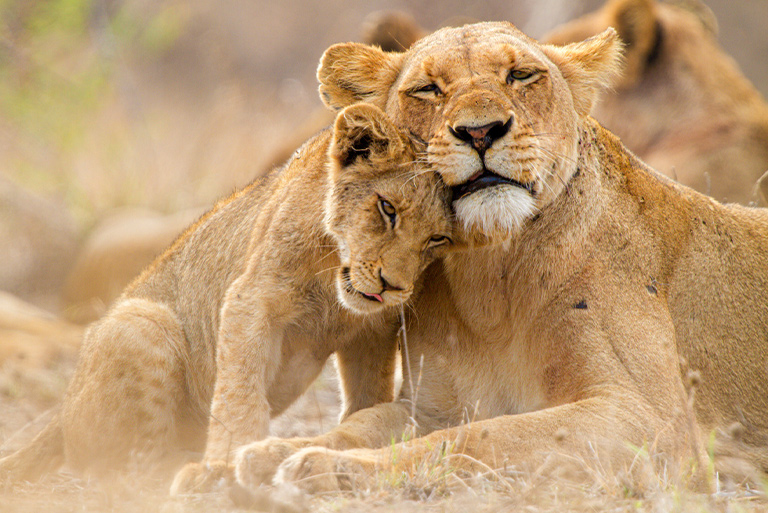
Why South Africa works for first-time safari clients
Safari can feel like a puzzle, especially when it is a first inquiry and the client wants a perfect outcome.
South Africa lowers the barrier without watering the experience down. This is why UJV often uses South Africa as a starting point for first-time safari clients. When planned correctly, it delivers confidence, consistency, and a strong first impression of Africa as a whole. It is still wild and authentic, but supported by infrastructure that keeps the trip reliable and smooth, especially for:
- first-time safari travelers
- honeymoons and milestone trips where there is no room for error
- multi-gen families, especially when malaria-free matters
Gayle’s point was simple. South Africa lets clients stop worrying about how and start focusing on what they came for, but only if the itinerary respects the calendar.
Climate matters, and South Africa is not one climate
The biggest misconception advisors run into is that South Africa is basically the same everywhere because it is year-round.
It is a massive country with microclimates. Region and season directly change outcomes, including wildlife density, comfort, and the overall flow of a trip.
The cheat sheet advisors should keep
Instead of rainfall and degrees, the team recommended using simple U.S. climate analogies. Clients understand them instantly.
- Greater Kruger, Sabi Sands, Timbavati (North): think Texas or Arizona
Best game density: May to September. Dry winter means thinner bush and animals concentrate. - KwaZulu-Natal (East Coast): think Florida
Lush, humid, subtropical. A strong contrast if the client wants different ecosystems in one trip. - Western Cape (Cape Town plus Winelands): think California or Mediterranean
Lifestyle, food, culture, scenery. Best from September to May. Summers are dry and winters are wet. - Eastern Cape: think the American Southeast
Temperate, green, often malaria-free. A consistent choice for families.
Advisor rule that came through clearly:
If the client’s month is fixed, the region gets chosen for them. If the experience is fixed, the month gets chosen for them.
Smart pairing options and why they work
South Africa is powerful because it is buildable.
Cape Town plus Eastern Cape
Strong for clients who want Cape Town and safari with a consistent climate. Also strong for families who need malaria-free.
Cape Town plus Greater Kruger
The classic “culture plus wild” split. Cape Town for lifestyle, then Kruger for high-density Big Five.
Kruger plus Bazaruto (Mozambique)
A clean safari and beach pairing that aligns seasonally. Prime safari months and clear-water beach time work well together.
Cape Town plus KwaZulu-Natal
For clients who want contrast. Mediterranean Cape paired with lush subtropical ecosystems and different wildlife.
Cape Town is not the add-on
Geraldine framed Cape Town in the most useful way for selling and planning. It is not just a nice extra. It is a tool.
Cape Town does three things exceptionally well:
- Manages budget because city hotels cost less than safari lodges
- Balances energy because safari is early mornings and full days
- Absorbs jet lag so clients land, settle, then head to the bush ready
Cape Town also holds its own experience. Food, art and design, Table Mountain, Boulders Beach, plus the Winelands. The reminder for advisors was direct. Do not treat the Winelands like “Napa, but in Africa.” It is a different rhythm, and it is built for more than wine tasting, especially for families.
Logistics are not details. They are the trip.
One of the strongest themes was that safari planning breaks when logistics are treated casually.
Inventory is finite
A safari lodge is not a city hotel. Many properties are 4 to 12 rooms. Family-use inventory is even tighter. If a multi-gen group needs 4 to 6 rooms, availability disappears quickly.
Flights are limited
Regional air exists and works well, but frequency is limited. Often it is two or three flights a day into key gateways. Missed connections are not easy to recover.
A practical point the team emphasized: even when a same-day connection looks possible, an overnight in Johannesburg may be the smarter move if delays would break the trip.
Why UJV manages the full itinerary
Not for control. For outcome.
When UJV manages the full routing, flights, transfers, timing, and sequencing are built together. This prevents costly missteps and protects the client when something shifts in real time. It is the difference between an itinerary that looks good on paper and one that actually works on the ground.
Lodge levels. What changes and what does not
Advisors asked about lodging tiers and the answer was clear.
Wildlife does not change.
A classic lodge versus a premier-plus lodge does not determine Big Five sightings. Animals move freely across private conservancies. The difference is experience design.
What changes as you move up tiers:
- room size, finishes, design, and private extras
- staff-to-guest ratio and service layers
- exclusivity, including fewer tents and fewer vehicles
- how busy the concession feels and how often you see other vehicles
Pricing anchors:
- Classic entry luxury: about $1,000 per person per night in peak season
- Premier and up: about $2,000 to $4,500 per person per night depending on property and season
UJV practical advisor tip: balance budget by sequencing. Start with classic-plus, finish with a premier “finale,” or leverage stay-pay offers when available.
What makes South Africa safari feel different from East Africa
A few experience elements matter for client expectations:
- strict sighting rules in many private areas, often 2 to 3 vehicles at a sighting
- off-road driving in permitted areas
- night drives regularly included in many regions
- sundowners as part of the daily rhythm
For clients who fear crowded sightings, this is a strong reassurance point.
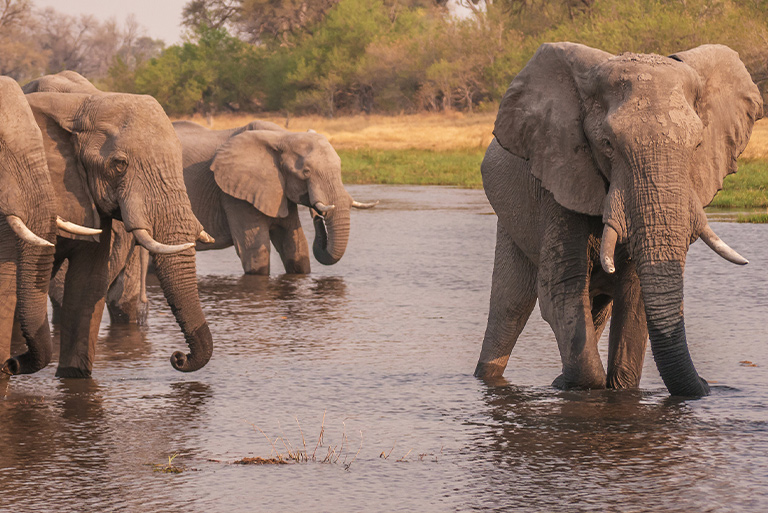
Family travel. How young is too young
The practical answer is that it depends on whether you can secure exclusive-use.
- newborns and very young children are possible with exclusive-use
- in shared camps, many enforce minimum ages, often under 6 not permitted
Two advisor notes worth keeping:
- some lodges require a private vehicle for kids under 12
- safari success for kids is about maturity and stamina as much as age
Solo travelers and single supplements
In camps, a single supplement is common because the lodge loses a bed it cannot resell. City hotels are often room-based. A few properties have limited single-friendly deals, but they are rare and go fast.
VIP meet-and-greet is small cost, huge value
VIP meet-and-greet means your client is met immediately on arrival and escorted through immigration and customs, then delivered to their driver without the “where do I go?” moment. This is especially valuable in Johannesburg. It sets the tone and removes stress on day one.
First-timer pacing. A framework that works
A recommended structure:
- start in Cape Town to recover from jet lag
- three nights safari
- a real pace break, Victoria Falls is a strong example
- another three nights safari in a different region or lodge style
The guiding principle is to avoid stacking too many safari nights in a row for first-timers. Safari is incredible, but it is early, full, and immersive. Most clients enjoy it more when it is paced.
The advisor takeaway
South Africa works best when it is planned strategically, not reactively. This is the framework UJV uses every day.
The most successful itineraries start with better questions:
- Is the month fixed or is the experience fixed
- Comfort level and travel maturity
- Ages of children and suite requirements
- Wildlife priorities, since leopard versus cheetah can influence placement
- Tolerance for early mornings and fast pacing
- How the client wants the trip to feel, including design style and privacy
When advisors lead with this information, UJV can design South Africa with intention. The result is a trip that feels seamless to the client and clear to sell from the start.
If you missed the live session or want to revisit any part of it, you can watch the full webinar at the link below.